
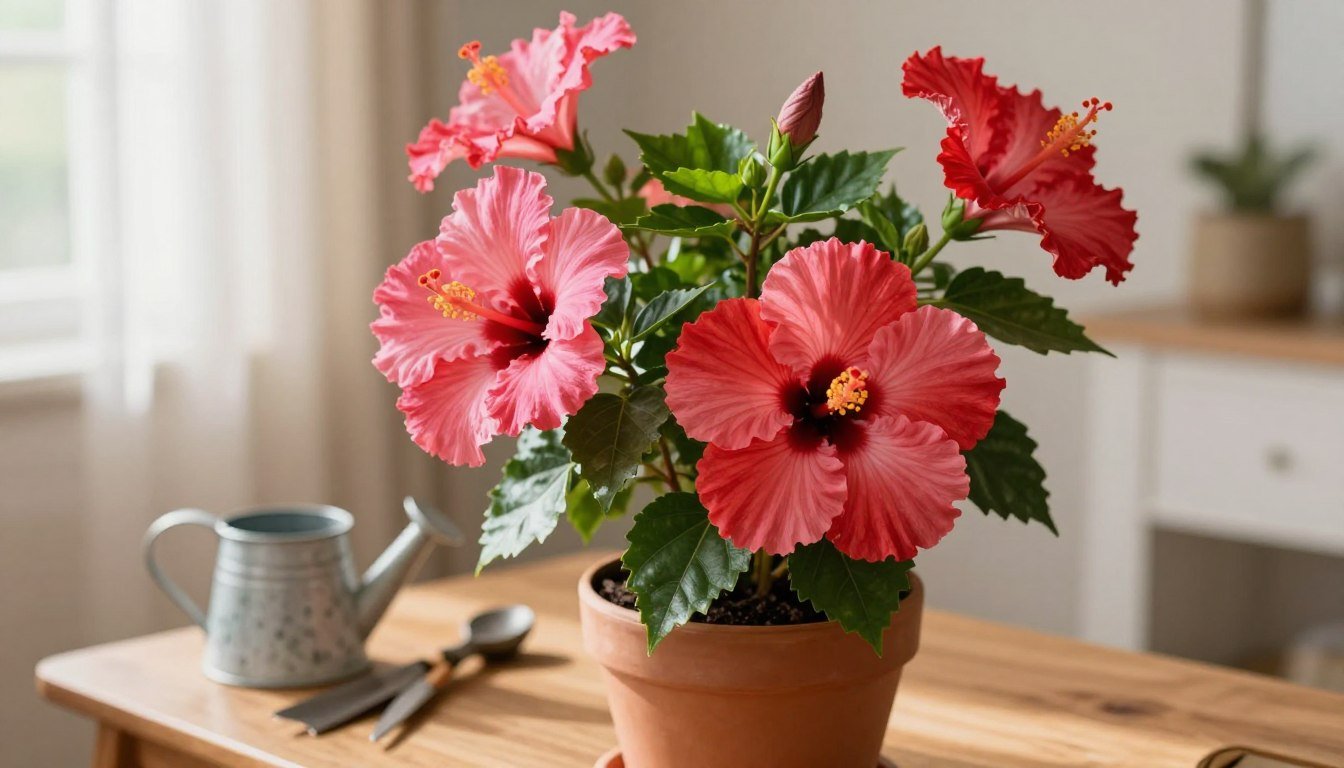
There is something truly magical about bringing a piece of the tropics into your home. Imagine waking up to vibrant, bold petals that brighten even the gloomiest winter morning. Mastering Hibiscus Flower Care Indoor allows you to transform any room into a lush, personal sanctuary.
Many people worry that these exotic plants are too difficult to maintain. However, learning how to care for hibiscus indoors is quite simple once you understand their basic needs. By balancing natural light, consistent moisture, and the right nutrients, you can mimic their native environment with ease.
When you provide the right environment, these stunning plants reward you with breathtaking, long-lasting blooms throughout the year. It is a deeply rewarding experience that connects you to nature right from your favorite armchair. Let us explore how you can help your plants thrive and flourish in your own living space.
Understanding the Needs of Indoor Hibiscus Plants
Understanding the botanical roots of your hibiscus is the first step toward mastering indoor cultivation. These vibrant plants originate from warm, humid tropical regions where they receive consistent sunlight and moisture throughout the year. When you bring them into your home, you are essentially asking them to adapt to a completely different set of environmental variables.
Effective indoor hibiscus care relies on your ability to mimic these native conditions within your living space. By recognizing that these plants are not naturally designed for low-light or dry indoor air, you can better prepare your home to support their growth.
Natural Habitat and Indoor Adaptation
In their native tropical landscapes, hibiscus plants enjoy high humidity and long days of bright, filtered light. They possess physiological mechanisms that allow them to thrive in these stable, warm climates. When moved indoors, the plant must adjust its transpiration rates and metabolic processes to survive in a controlled environment.
Learning how to care for hibiscus indoors involves helping the plant bridge this gap between its wild origins and your home. You must provide enough light and moisture to prevent the plant from entering a state of shock. Consistent environmental management is the key to a healthy, blooming specimen.
Why Indoor Hibiscus Require Special Attention
Container-grown hibiscus face unique stressors that their outdoor counterparts do not encounter. Because their root systems are confined to a pot, they cannot seek out nutrients or water in the ground. This limitation makes them highly sensitive to fluctuations in soil moisture and temperature.
Proper indoor hibiscus care requires a proactive approach to prevent common issues like leaf drop or bud blast. If you understand how to care for hibiscus indoors by monitoring these specific needs, you will avoid the most frequent pitfalls. Providing a stable microclimate is the most effective way to ensure your plant remains vibrant and productive throughout the year.
Selecting the Right Hibiscus Variety for Indoor Growth
Selecting the right variety is the foundation of long-term success when growing hibiscus indoors. While many tropical plants look beautiful in a nursery, not all are suited for the confined environment of a container. Proper hibiscus plant care begins with choosing a cultivar that naturally stays small and manageable.
Best Tropical Hibiscus Cultivars for Containers
When looking for the perfect plant, focus on dwarf or compact varieties. These specific types are bred to produce large, vibrant flowers without requiring a massive root system. Popular choices often include varieties that maintain a bushy, upright structure rather than a sprawling, vine-like habit.
Consider these reliable options for your indoor collection:
- Little Lavender: Known for its compact size and stunning purple blooms.
- Mandarin Orange: A dwarf variety that thrives in bright, filtered light.
- Painted Lady: Features a unique, variegated leaf pattern that adds interest even when not in bloom.
Evaluating Plant Size and Growth Habits
Before purchasing, evaluate the mature size of the plant to ensure it fits your available space. A plant that grows too quickly will soon become root-bound, which complicates hibiscus plant care. Look for cultivars that exhibit a slow-to-moderate growth rate, as these are much easier to prune and shape over time.
You should also observe the natural branching pattern of the specimen. A plant with dense, lateral branching is generally more aesthetically pleasing for growing hibiscus indoors than one that grows tall and spindly. Selecting a well-structured plant early on reduces the need for heavy pruning later.
| Variety Name | Growth Habit | Flower Color | Space Requirement |
|---|---|---|---|
| Little Lavender | Compact/Bushy | Lavender | Small |
| Mandarin Orange | Dwarf/Upright | Orange | Small |
| Painted Lady | Moderate/Bushy | Pink/White | Medium |
| Sunny Day | Dwarf/Rounded | Yellow | Small |
Essential Hibiscus Flower Care Indoor Requirements
Caring for hibiscus indoors requires a keen eye on your home’s microclimate. These vibrant plants are native to tropical regions and possess a natural sensitivity to sudden environmental shifts. When you provide a stable setting, you significantly reduce the risk of plant stress and premature bud drop.
Following professional indoor hibiscus tips will help you maintain the health of your collection. By focusing on consistency, you ensure that your plants remain vigorous throughout the year.
Creating a Consistent Microclimate
To master Hibiscus Flower Care Indoor, you must regulate both temperature and airflow. Avoid placing your containers near drafty windows, air conditioning vents, or heating ducts. These fluctuations often shock the plant, causing it to shed leaves or flowers unexpectedly.
Gentle air circulation is beneficial, but direct, harsh drafts should be avoided at all costs. A steady ambient temperature between 65°F and 75°F is ideal for most tropical varieties. Keeping these conditions uniform helps the plant focus its energy on producing beautiful, long-lasting blooms.
Monitoring Humidity Levels for Tropical Blooms
Replicating the moisture-rich air of a tropical rainforest is essential when caring for hibiscus indoors. Most homes in the United States have dry air, especially during the winter months when heating systems are active. You can easily monitor these levels using a simple digital hygrometer.
If the humidity drops below 50%, consider using a pebble tray filled with water or a dedicated room humidifier. These indoor hibiscus tips ensure that your plants receive the moisture they crave. Consistent humidity prevents the edges of the leaves from browning and supports the development of healthy, vibrant flower buds.
Mastering Light and Temperature for Optimal Growth
Light and temperature serve as the primary engines for growth when you are caring for hibiscus indoors. These tropical plants are naturally sun-loving specimens that require significant light intensity to produce their signature large, colorful blooms. By following a structured hibiscus care guide, you can replicate the conditions necessary for your plant to flourish year-round.
The Importance of Direct Sunlight
To achieve the best results when growing hibiscus indoors, you must prioritize placement. These plants thrive when positioned in south-facing windows where they can receive at least six to eight hours of direct sunlight daily.
Without sufficient light, your hibiscus will likely become leggy and fail to produce buds. If natural light is limited in your home, you may need to adjust your strategy to ensure the plant receives the energy it craves.

Using Supplemental Grow Lights
When natural sunlight is insufficient, high-quality supplemental grow lights become a vital tool. LED full-spectrum lights are excellent for meeting the high energy demands of tropical hibiscus varieties.
Position your lights approximately 12 to 18 inches above the canopy of the plant. This distance provides enough intensity to stimulate blooming without causing heat stress to the foliage.
Ideal Temperature Ranges for Hibiscus
Hibiscus plants prefer a consistent environment to maintain their health and vigor. The ideal temperature range for these tropical beauties is between 65°F and 85°F during the day.
It is crucial to keep your plant away from cold drafts, such as those near air conditioning vents or drafty windows. Similarly, avoid placing your hibiscus near direct heat sources like radiators or space heaters, as these can dry out the plant too quickly and cause leaf drop.
| Environmental Factor | Optimal Range | Critical Warning |
|---|---|---|
| Daily Sunlight | 6-8 Hours | Avoid low-light corners |
| Daytime Temperature | 65°F – 85°F | Keep away from radiators |
| Nighttime Temperature | 55°F – 65°F | Protect from frost |
Watering Techniques for Healthy Indoor Hibiscus
Proper watering is the most critical factor when you are caring for indoor hibiscus plants. These tropical beauties require a delicate balance between consistent moisture and adequate drainage to thrive in a home environment.
Determining When to Water
The best way to gauge your plant’s needs is by checking the soil moisture manually. Simply insert your finger about one inch deep into the potting mix.
If the soil feels dry to the touch, it is time to provide water. If it still feels damp, wait another day or two to prevent waterlogging the root system.
Avoiding Common Watering Mistakes
Many enthusiasts struggle with indoor hibiscus plant care because they follow a rigid schedule rather than observing the plant. Environmental factors like temperature and light intensity change throughout the year, which directly impacts how quickly your plant consumes water.
Always ensure your container has drainage holes to allow excess liquid to escape. Never let your hibiscus sit in a saucer filled with standing water, as this leads to rapid decline.
Signs of Overwatering and Root Rot
Overwatering is a frequent issue that can quickly become fatal. Watch for yellowing leaves that appear limp or soft, as this is a primary indicator of root distress.
If you notice a musty smell coming from the soil or the stems turning mushy at the base, your plant may be suffering from root rot. You must act quickly by repotting the plant into fresh, dry soil and trimming away any damaged, dark-colored roots.
Signs of Underwatering and Dehydration
Following proper indoor hibiscus care instructions also means recognizing when your plant is thirsty. Dehydration often manifests as wilting leaves that feel dry or crispy to the touch.
You might also notice flower buds dropping prematurely before they have a chance to open. If the soil has pulled away from the edges of the pot, it is a clear sign that the root ball has become too dry and requires a thorough soaking.
Fertilization Strategies for Consistent Blooming
Consistent blooming in container-grown hibiscus relies heavily on a well-planned feeding schedule. Because these plants exert significant energy to produce their signature large flowers, they require a steady supply of nutrients. Following proper indoor hibiscus plant care tips ensures your plant remains vibrant and healthy throughout the year.

Choosing the Right Fertilizer Ratio
When selecting a fertilizer, look for a balanced formula that emphasizes potassium. A ratio such as 7-9-5 or similar variations helps support prolific flower production rather than just excessive leaf growth. High potassium levels are essential for the development of strong, colorful buds.
Avoid fertilizers with extremely high nitrogen content, as this often leads to lush foliage at the expense of blooms. Understanding how to care for indoor hibiscus involves reading labels carefully to ensure the micronutrients, such as magnesium and iron, are also included. These trace elements prevent common deficiencies that cause yellowing leaves.
Frequency and Application Methods
The method of application depends on your personal preference and the specific needs of your container environment. Slow-release granules are excellent for busy gardeners, as they provide a steady stream of nutrients over several months. Simply mix them into the top layer of soil to ensure consistent delivery.
Alternatively, liquid fertilizers offer a more immediate boost, which is ideal during the peak growing season. When following indoor hibiscus care instructions, dilute the liquid fertilizer to half-strength to avoid burning the sensitive root systems. Always apply fertilizer to moist soil rather than dry, parched roots to ensure better absorption and safety.
| Fertilizer Type | Application Frequency | Best Use Case |
|---|---|---|
| Slow-Release | Every 3-4 months | Consistent, low-maintenance feeding |
| Liquid Feed | Every 2 weeks | Rapid growth and heavy blooming |
| Organic Compost | Once per season | Improving long-term soil health |
Soil Selection and Potting Best Practices
Establishing a healthy root system begins with choosing the perfect potting environment for your hibiscus. Because these plants are native to tropical climates, they require a growing medium that mimics their natural, well-aerated forest floor habitat. Proper indoor hibiscus plant care starts from the ground up, ensuring that roots receive both moisture and oxygen.
Selecting the Ideal Potting Mix
A high-quality, well-draining potting mix is the foundation of a thriving plant. Avoid heavy garden soils, which can compact and suffocate delicate roots. Instead, look for a peat-based mix and incorporate amendments like perlite or coarse sand to improve aeration.
These additions prevent the soil from becoming waterlogged, which is a common cause of root rot. A light, airy texture allows the roots to breathe while still retaining enough moisture to support lush foliage and vibrant blooms. Consistent hibiscus plant care requires this balance to keep the plant vigorous throughout the year.
Ensuring Proper Drainage and Container Choice
The container you choose is just as important as the soil inside it. Always select a pot with ample drainage holes at the bottom to allow excess water to escape freely. If water sits at the base of the pot, it creates a stagnant environment that invites fungal diseases.
When selecting a container, consider the material carefully. Porous materials like unglazed terracotta help moisture evaporate more quickly, which can be beneficial if you tend to overwater. Regardless of the material, ensure the pot is only slightly larger than the current root ball to prevent the soil from staying wet for too long.
When and How to Repot Your Hibiscus
Hibiscus plants generally prefer to be slightly root-bound, but they will eventually outgrow their containers. You should consider repotting when you notice roots growing out of the drainage holes or if the plant dries out much faster than usual. This is a vital aspect of long-term indoor hibiscus plant care.
When it is time to move your plant to a new home, follow these steps for success:
- Gently remove the plant from its current pot by turning it sideways and tapping the bottom.
- Carefully loosen the outer roots if they have become tightly circled or matted.
- Place the plant in a new container that is only 1 to 2 inches wider in diameter.
- Fill the gaps with fresh, high-quality potting mix and water thoroughly to settle the soil.
By following these best practices, you provide your hibiscus with the stability it needs to flourish. Proper soil management is truly the secret to consistent, beautiful flowers.
Pruning and Shaping Your Indoor Hibiscus
Regular pruning is the secret to keeping your indoor hibiscus healthy and vibrant throughout the year. By removing old or overgrown stems, you encourage the plant to direct its energy toward new growth and frequent flowering. Following these indoor hibiscus plant care tips will help you maintain a beautiful, manageable specimen in your home.

Tools and Techniques for Clean Cuts
To ensure your plant stays healthy, always use sharp, sterilized pruning shears. Clean tools prevent the spread of bacteria and help the plant recover faster from the stress of trimming.
When making cuts, aim for a 45-degree angle just above a leaf node. This specific technique prevents water from pooling on the cut surface, which significantly reduces the risk of rot. These essential indoor hibiscus care tips ensure that your plant remains strong and disease-free after every session.
Encouraging Bushier Growth Through Pinching
If you notice your hibiscus becoming leggy or sparse, pinching is an effective solution. This simple method involves removing the soft, growing tips of the stems with your fingers or small scissors.
Pinching forces the plant to branch out from lower nodes, resulting in a fuller, more compact shape. Consider these benefits of regular pinching:
- Creates a denser, more attractive silhouette.
- Increases the number of potential flowering sites.
- Helps the plant fit better in limited indoor spaces.
Timing Your Pruning Sessions
Timing is everything when it comes to managing your plant’s development. The best time to perform heavy pruning is in the late winter or early spring, just before the active growing season begins.
Light maintenance, such as pinching or removing dead leaves, can be done throughout the year as needed. By staying consistent with your indoor hibiscus care tips, you ensure your plant remains a stunning focal point in your living space.
Managing Common Indoor Hibiscus Pests and Diseases
Vigilance is the best tool when you are learning how to care for indoor hibiscus. Because indoor spaces lack natural predators, tiny invaders can multiply rapidly if left unchecked. Regular inspections are essential for caring for indoor hibiscus plants to ensure they remain vibrant and healthy throughout the year.
Identifying Aphids and Spider Mites
Aphids are small, soft-bodied insects that often cluster on new growth or the undersides of leaves. You might notice a sticky substance called honeydew, which indicates their presence. These pests suck the sap from your plant, causing leaves to curl and yellow.
Spider mites are much harder to spot because they are microscopic. Look for fine, silky webbing between stems or on the leaf undersides. If your leaves appear stippled or dusty, these mites are likely the culprit.
Natural Remedies for Pest Control
When you detect an infestation, acting quickly is vital. Neem oil is a highly effective, organic solution that disrupts the life cycle of many common pests. Simply mix it with water and a drop of mild dish soap to create a gentle spray.
Insecticidal soaps are another safe option for indoor use. These products work by suffocating soft-bodied insects on contact. Always test a small area of the plant first to ensure it does not react negatively to the treatment.
Preventing Fungal Issues in Indoor Environments
Fungal diseases often thrive in stagnant, humid air. To prevent these issues, ensure your plant has proper air circulation by placing it in a well-ventilated area. Avoid overcrowding your plants, as this traps moisture and encourages mold growth.
Watering at the base of the plant rather than overhead helps keep foliage dry. If you notice dark spots or fuzzy growth, remove the affected leaves immediately to stop the spread. Maintaining a clean environment is a key part of long-term plant health.
| Pest/Issue | Primary Sign | Recommended Action |
|---|---|---|
| Aphids | Sticky residue | Insecticidal soap |
| Spider Mites | Fine webbing | Neem oil spray |
| Fungal Spot | Dark leaf lesions | Improve airflow |
| Root Rot | Wilting/Mushy stems | Check drainage |
Seasonal Adjustments for Year-Round Success
Mastering seasonal transitions ensures your tropical plants remain healthy throughout the entire year. By following these indoor hibiscus tips, you can help your plant navigate the shift from active growth to rest and back again.

Managing Hibiscus During Winter Dormancy
As daylight hours decrease, your hibiscus will naturally enter a period of dormancy. During this time, the plant slows its metabolic processes and requires significantly less energy to survive.
You should reduce your watering frequency, allowing the top inch of soil to dry out completely between sessions. It is also essential to pause fertilization until the plant shows signs of new growth in the spring. These indoor hibiscus care tips prevent root rot and keep the plant stable during the darker months.
Transitioning Plants Outdoors for Summer
When the threat of frost passes and temperatures rise, you may want to move your hibiscus to a patio or balcony. Gradual acclimation is the secret to preventing leaf drop and sunscald.
Start by placing your plant in a shaded, sheltered spot for a few hours each day. Slowly increase its exposure to direct sunlight over the course of two weeks. This careful process allows the foliage to adjust to the intensity of the outdoor environment without suffering from environmental shock.
Always monitor the moisture levels closely during this transition, as outdoor air often dries out the soil faster than indoor conditions. Following these indoor hibiscus care tips will ensure your plant thrives when it returns to the great outdoors.
Troubleshooting Common Indoor Hibiscus Problems
Troubleshooting your plant’s health is a vital part of mastering indoor hibiscus care. Even with the best intentions, you might notice your plant struggling to thrive in a container environment. Identifying the root cause early is the most effective way to restore your plant to its vibrant, blooming state.
Why Your Hibiscus Is Not Blooming
If your plant is growing foliage but failing to produce flowers, it is likely missing a key environmental trigger. Light deficiency is the most common culprit, as these plants require intense, direct sunlight to initiate bud formation. Without at least six hours of bright light, the plant simply lacks the energy to bloom.
Nutrient imbalances can also prevent flowering. If you use a fertilizer with too much nitrogen, the plant will focus on leaf production rather than flower development. Switching to a high-potassium formula often encourages the plant to shift its energy toward creating beautiful, large blossoms.
Addressing Yellowing Leaves and Bud Drop
Yellowing leaves often signal that your watering routine needs adjustment. Overwatering leads to root rot, which prevents the plant from absorbing necessary nutrients, while underwatering causes the plant to shed leaves to conserve moisture. Always check the top inch of soil before adding more water to ensure you are following a proper indoor hibiscus plant care guide.
Bud drop is another frustrating issue, usually caused by sudden temperature fluctuations or drafts. If the plant experiences a quick change in its environment, it may drop its buds as a stress response. Keeping your hibiscus in a stable location away from air vents or heaters will help maintain consistent growth.
| Symptom | Primary Cause | Recommended Action |
|---|---|---|
| Yellow Leaves | Overwatering | Improve drainage |
| Bud Drop | Temperature Shock | Stabilize environment |
| No Blooms | Low Light | Increase sun exposure |
| Stunted Growth | Nutrient Deficiency | Apply balanced fertilizer |
Conclusion
Growing tropical flowers inside your home brings a unique sense of accomplishment. This hibiscus care guide provides the foundation needed to turn your living space into a vibrant sanctuary. Success relies on your ability to observe subtle changes in your plants over time.
Patience remains the most valuable tool for any gardener. By following this indoor hibiscus plant care guide, you create an environment where these stunning blooms can thrive throughout the year. Consistent attention to light, water, and soil quality yields the best results for your collection.
Take time to inspect your plants during your daily routine. Small adjustments to your care habits often prevent larger issues from developing. Your dedication ensures that your hibiscus remains a healthy and beautiful centerpiece in your home for many seasons to come.