
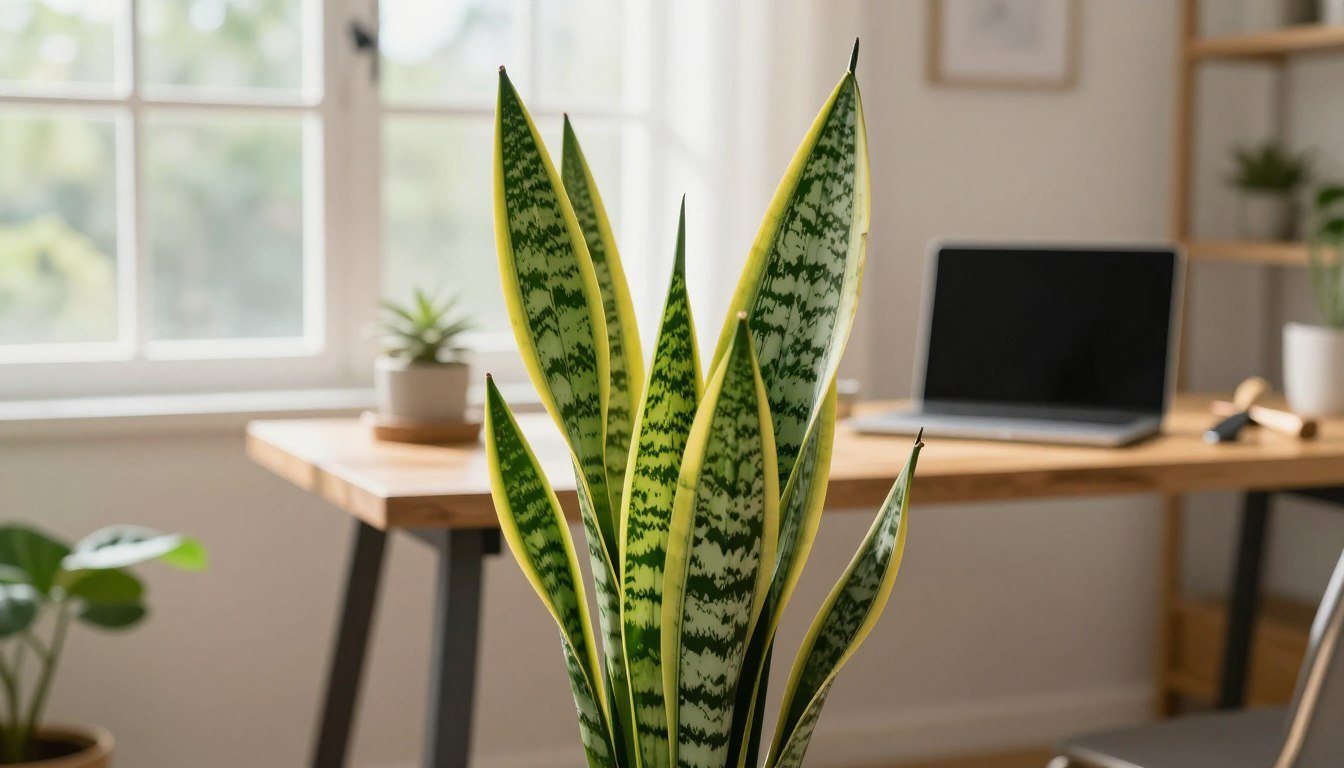
Have you ever felt the quiet frustration of watching a vibrant green companion wither away despite your best intentions? Bringing nature indoors should be a source of peace and rejuvenation, not another item on your stressful to-do list. Mastering Snake Plant Care allows you to transform any corner of your living space into a thriving, air-purifying sanctuary with almost zero effort.
These resilient species are perfect for busy professionals and novice gardeners alike. They offer a striking architectural aesthetic while working hard to improve your indoor air quality. Learning how to care for snake plant varieties is surprisingly simple once you understand their basic needs. By following a few straightforward steps, you can enjoy lush, healthy greenery that elevates your environment and boosts your daily mood.
Understanding Snake Plant Light and Environmental Needs
Mastering the specific needs of your plant is the first step toward successful Snake Plant Care. These resilient plants are celebrated for their ability to adapt to various indoor settings, making them a favorite for both homes and offices. By providing the right environment, you ensure your plant remains healthy and vibrant for years.
Ideal Light Conditions for Indoor Growth
One of the most significant benefits of these plants is their flexibility regarding sun exposure. While they can survive in low-light corners, they truly thrive when placed in bright, indirect sunlight. Understanding your specific snake plant light requirements helps you manage the plant’s growth rate and leaf coloration effectively.
In lower light conditions, the plant will grow more slowly and may lose some of its vibrant variegation. Conversely, bright, indirect light encourages faster development and keeps the leaves looking sharp and colorful. Avoid placing your plant in harsh, direct afternoon sun, as this can cause the leaves to burn or fade.
Temperature and Humidity Preferences
Snake plants are native to arid regions, which makes them quite comfortable in standard household conditions. They prefer a temperature range between 60°F and 80°F to maintain optimal health. Keeping them away from cold drafts or direct heat sources like radiators is essential for preventing stress.
Unlike many tropical houseplants, these specimens actually prefer lower humidity levels. They do not require misting or pebble trays, as excess moisture in the air can sometimes lead to issues. By maintaining a stable environment, you can easily prevent common problems like leaf scorching or stunted development, ensuring your Snake Plant Care routine remains simple and effective.
Mastering Snake Plant Watering and Soil Requirements
Mastering the balance of moisture and soil is essential for any indoor gardener. Because these plants are native to arid regions, they are highly sensitive to how they are hydrated. Providing the right care ensures your plant remains a resilient addition to your home.

Establishing a Proper Watering Schedule
The most effective snake plant watering tips involve patience and observation. You should never follow a strict calendar, as environmental factors like light and temperature change how quickly the soil dries.
Instead, check the moisture level by inserting your finger two inches into the pot. If the soil feels damp, wait a few more days before adding water. Allowing the substrate to dry out completely is the best way to prevent root rot.
Signs of Overwatering vs Underwatering
| Condition | Primary Symptom | Action Required |
|---|---|---|
| Overwatering | Mushy, yellowing leaves | Reduce frequency |
| Underwatering | Wrinkled, thin leaves | Increase hydration |
| Healthy | Firm, upright foliage | Maintain current routine |
Selecting the Best Soil Mix for Drainage
Choosing the right snake plant soil mix is just as important as your watering routine. Standard potting soil often holds too much moisture, which can suffocate the roots over time.
For the best results, use a cactus or succulent blend that contains perlite, pumice, or coarse sand. This specific snake plant soil type encourages water to pass through the pot quickly rather than pooling at the bottom.
Why Soil Type Matters for Root Health
The primary goal of your soil choice is to keep the root system oxygenated. When roots sit in dense, waterlogged soil, they cannot breathe, which leads to decay and plant failure.
A porous, well-draining substrate mimics the plant’s natural habitat, allowing for healthy root development. By prioritizing proper drainage, you create a stable environment that supports long-term growth and vitality.
Essential Snake Plant Care and Maintenance Techniques
Routine maintenance ensures your snake plant remains a stunning focal point in your home. Consistent snake plant care goes beyond basic watering, as it involves keeping the foliage healthy and free from debris. By dedicating a few minutes each month to grooming, you help your plant thrive in any indoor environment.

Pruning Techniques for Aesthetic Appeal
When leaves become damaged, yellowed, or overly crowded, proper intervention is necessary. Utilizing effective snake plant pruning techniques allows you to remove unsightly growth without harming the main structure. Always use a clean, sharp pair of shears to make a clean cut at the base of the leaf near the soil line.
Removing these older or damaged leaves encourages the plant to redirect its energy toward new, healthy growth. This practice not only improves the visual appeal of your plant but also prevents potential decay from spreading to healthy sections. Keep your tools sanitized with rubbing alcohol to ensure a sterile cut every time.
Cleaning Leaves to Boost Photosynthesis
The broad, architectural leaves of the snake plant often collect dust in busy homes or offices. This layer of dust acts as a barrier, blocking sunlight and reducing the plant’s ability to perform photosynthesis. Gently wiping the leaves with a damp, soft cloth restores their natural shine and improves overall vitality.
Aim to clean the leaves every few weeks to keep the pores clear and functional. This simple step is a vital part of snake plant care that many owners overlook. A clean plant is much more efficient at converting light into the energy it needs to grow strong.
Understanding the Benefits of Snake Plants in Your Space
Beyond their striking appearance, there are significant snake plant benefits that make them ideal for indoor living. These plants are well-documented for their ability to filter common indoor air pollutants, such as formaldehyde and benzene. By improving air quality, they contribute to a healthier and more refreshing atmosphere in your workspace or living room.
The following table outlines the primary maintenance tasks that keep your plant in peak condition:
| Maintenance Task | Frequency | Primary Benefit |
|---|---|---|
| Leaf Pruning | As needed | Improves aesthetics |
| Dust Removal | Monthly | Boosts photosynthesis |
| Soil Inspection | Quarterly | Prevents root issues |
| Air Purification | Continuous | Removes toxins |
Troubleshooting Common Pests and Plant Health Issues
Even the most resilient houseplants can occasionally struggle with unwanted visitors or environmental stress. While these plants are famously tough, they are not entirely immune to issues that can affect their growth. Learning the basics of snake plant pest control is a vital skill for any indoor gardener.

Identifying Common Pests
Regular inspection is the best way to catch snake plant common pests before they cause significant damage. You should check the undersides of leaves and the crevices where leaves meet the soil line. These areas are often where tiny invaders hide and begin their colonies.
How to Manage Mealybugs and Spider Mites
Mealybugs appear as small, white, cottony masses on the foliage. Spider mites are harder to see, but they often leave behind fine webbing between leaves. You can manage both by wiping the leaves with a soft cloth dipped in a mild solution of water and dish soap.
For more persistent infestations, neem oil is a highly effective, non-toxic treatment. Always test a small area of the leaf first to ensure the plant reacts well to the solution. Consistent treatment every few days will usually clear up the problem quickly.
Addressing Root Rot and Fungal Problems
Fungal issues often stem from overwatering or poor drainage, which can lead to root rot. If you notice the base of your plant turning mushy or yellowing leaves, it is time to act immediately. Root rot is a serious condition, but it can be reversed if caught early.
To save your plant, remove it from the pot and gently wash the soil away from the roots. Trim off any dark, slimy, or decaying roots with sterilized scissors. Repot the plant in fresh, well-draining soil and adjust your watering habits to prevent future moisture buildup.
| Issue | Primary Symptom | Recommended Action |
|---|---|---|
| Mealybugs | White cottony spots | Wipe with soapy water |
| Spider Mites | Fine webbing | Apply neem oil spray |
| Root Rot | Mushy, dark base | Trim roots and repot |
| Fungal Spots | Brown, sunken lesions | Improve air circulation |
Proven Methods for Snake Plant Propagation and Repotting
Learning how to propagate snake plant varieties allows you to fill your home with greenery for free. By mastering these simple techniques, you can turn one healthy plant into a thriving collection. Whether you are a novice or an experienced gardener, these proven strategies ensure your success.

Step-by-Step Guide to Leaf Cutting Propagation
To begin, select a healthy, firm leaf from your mature plant. Use a clean, sharp knife to cut the leaf near the base.
- Cut the leaf into several 3-inch sections, keeping track of which end is the bottom.
- Allow the cuttings to dry for two days until a callous forms over the cut edge.
- Place the bottom end of the cutting into your chosen medium.
- Keep the plant in bright, indirect light and wait for roots to emerge.
Water vs Soil Propagation Methods
Choosing between water and soil is a common dilemma when exploring various snake plant propagation methods. Both techniques are effective, but they offer different visual and growth experiences.
| Method | Pros | Cons |
|---|---|---|
| Water | Easy to monitor root growth | Risk of rot if water is stagnant |
| Soil | Less shock during transplanting | Harder to see root development |
When and How to Repot Your Snake Plant
Snake plant repotting is necessary when the roots become crowded or the soil loses its nutrients. You should typically perform this task every two to three years during the active growing season. If you notice roots growing out of the drainage holes, it is time to give your plant more room.
Choosing the Right Pot Size and Material
Selecting the correct container is vital for long-term health. Always choose a pot that is only one or two inches wider than the current root ball to prevent excess moisture retention.
Terracotta is an excellent material choice because it is porous and allows the soil to dry out faster. Ensure your pot has adequate drainage holes to prevent water from pooling at the bottom, which is the primary cause of root issues.
Conclusion
Successful snake plant care relies on your ability to balance light, water, and soil quality. These resilient plants thrive when you provide a stable environment that mimics their natural habitat.
Consistency remains the most effective strategy for maintaining a healthy, long-lived plant in any home or office. You will find that regular observation helps you catch minor issues before they impact the overall vitality of your greenery.
Applying the techniques found in this guide ensures you are well-equipped to troubleshoot common health concerns. You can now enjoy the aesthetic appeal and air-purifying benefits of your plants for many years.
Take a moment to assess your current setup and make small adjustments to your snake plant care routine. Share your progress with fellow plant enthusiasts or reach out if you have specific questions about your indoor garden. Your commitment to these simple practices will lead to a lush and vibrant display in your living space.