
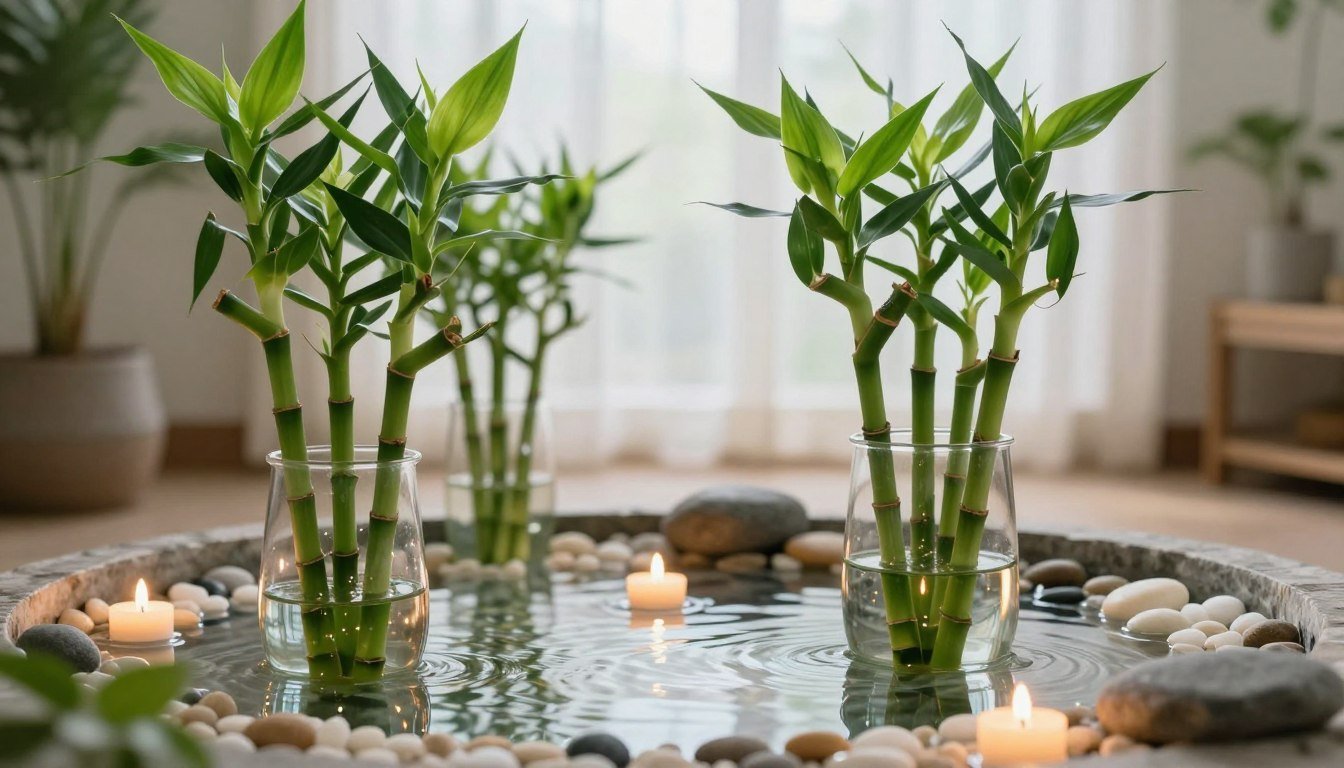
Do you ever feel like your living space is missing a touch of life? Many of us crave the calming presence of nature, yet our busy schedules make caring for complex plants feel like a chore. Finding a balance between beauty and simplicity is the secret to a happy home.
Creating a serene feature using Dracaena sanderiana offers the perfect solution. This elegant plant thrives in simple vessels, turning a small corner into a vibrant, peaceful retreat. You do not need a green thumb to enjoy the lush greenery that this species provides.

Learning how to build an indoor water garden with lucky bamboo is a rewarding experience that requires very little effort. By following a few straightforward steps, you can design a stunning display that refreshes your air and lifts your spirits. Let us explore the path to crafting your own low-maintenance oasis today.
Understanding the Appeal of Lucky Bamboo Water Gardens
The rising popularity of indoor bamboo plants stems from their remarkable resilience and minimalist charm. These plants are widely celebrated for their ability to thrive in simple water-based environments without the need for soil. This unique trait makes them a top choice for those seeking effortless greenery in their living spaces.
Because they require minimal attention, they are perfect for beginners or busy professionals. You do not need a green thumb to keep these stalks healthy and vibrant. Incorporating them into your home is one of the most effective indoor gardening tips for maintaining a stress-free environment.
Beyond their ease of care, these plants provide a sophisticated, clean aesthetic that complements modern decor. Their natural growth habits allow them to adapt well to various light conditions found inside the home. By choosing indoor bamboo plants, you add a touch of organic beauty that feels both intentional and refined.
Learning how these plants interact with their environment is key to long-term success. Following basic indoor gardening tips ensures your water garden remains a focal point of your room for years. Their ability to grow in water alone is truly a testament to their extraordinary adaptability.
Essential Supplies for Your DIY Indoor Water Garden
Your journey toward a thriving indoor water feature begins with selecting high-quality materials. Gathering the correct components is the first step toward a successful diy indoor water garden that remains stable and healthy over time. By choosing the right base, you ensure your plants have a secure environment to grow.
Selecting the Right Glassware or Ceramic Vessels
The foundation of your display is the container itself. You must choose a vessel that is completely watertight to prevent leaks on your furniture. Whether you prefer clear glass or decorative ceramic, ensure the opening is wide enough to accommodate your bamboo stalks comfortably.
Glass vases offer a modern look, allowing you to monitor root health easily. Ceramic bowls provide a classic aesthetic and help block light, which can reduce algae growth. Always verify that your chosen container is free of cracks or porous surfaces that might harbor bacteria.

Choosing Decorative Stones and Substrates
Stability is vital for a healthy diy indoor water feature. You will need high-quality decorative stones to anchor the stalks and keep them upright. Smooth river rocks, polished glass marbles, or decorative gravel work exceptionally well for this purpose.
Before adding these materials to your container, thoroughly rinse them to remove any dust or debris. This simple step prevents cloudy water and keeps your display looking pristine. Using a variety of sizes can also add visual depth to your arrangement.
Water Treatment and Nutrient Solutions
Water quality is the lifeblood of your setup. Since tap water often contains chlorine or fluoride, using filtered or distilled water is highly recommended for optimal plant health. This ensures your bamboo avoids chemical stress that can lead to leaf tip browning.
To support steady growth, you may also consider a specialized liquid nutrient solution. Only use fertilizers specifically formulated for aquatic plants to avoid burning the roots. Maintaining a clean, nutrient-balanced environment is the secret to a long-lasting diy indoor water garden.
Selecting the Best Lucky Bamboo Stalks
The foundation of a thriving water garden relies entirely on the quality of your initial plant selection. Proper lucky bamboo care begins at the store, where you must carefully inspect each piece to ensure it is free from disease. Investing time in this step guarantees a vibrant and long-lasting display for your home.

Identifying Healthy Stalks and Roots
When you examine potential indoor bamboo plants, look for stalks that feel firm to the touch. A healthy stalk should display a bright, vibrant green color without any yellow or brown spots. Avoid any specimens that appear mushy or show signs of wrinkling, as these are indicators of poor health.
Next, inspect the root system carefully. A robust root system should look clean, firm, and typically white or light red in color. If you notice roots that are slimy, dark, or emit a foul odor, it is best to avoid that specific plant entirely.
Preparing Stalks for Water Cultivation
Once you have selected your healthy stalks, you must prepare them for their new environment. Gently rinse the roots under cool, running water to remove any debris or soil residue from the nursery. This simple cleaning process helps prevent the introduction of harmful pathogens into your lucky bamboo in water setup.
After rinsing, inspect the base of the stalks one last time for any damaged tissue. If you find any dead or decaying roots, trim them away with sterilized scissors to encourage new growth. This preparation ensures your bamboo starts its life in your water garden with the best possible chance of success.
| Feature | Healthy Stalk | Unhealthy Stalk |
|---|---|---|
| Stalk Texture | Firm and smooth | Mushy or wrinkled |
| Coloration | Bright, vibrant green | Yellow or brown spots |
| Root Condition | Clean, white, or red | Slimy, dark, or smelly |
| Overall Vigor | Strong and upright | Drooping or limp |
How to Build an Indoor Water Garden With Lucky Bamboo
Building a beautiful display with lucky bamboo is simpler than you might think. Learning how to build an indoor water garden with lucky bamboo allows you to create a serene focal point in any room. By following these precise steps, you ensure your plants remain healthy and vibrant for years to come.
Step 1: Cleaning and Preparing Your Container
Before you begin, you must thoroughly clean your chosen vessel. Even new glassware can harbor dust or manufacturing residues that might harm your plants. Use warm water and a mild, non-toxic soap to scrub the interior surfaces, then rinse them completely to ensure no chemical traces remain.
Step 2: Arranging the Bamboo Stalks
Once your container is dry, place your bamboo stalks inside to determine the best layout. A successful diy indoor water garden often features stalks of varying heights to create visual depth. Experiment with different angles until you achieve a balanced look that pleases your eye.

Step 3: Adding Decorative Stones for Stability
Bamboo stalks can be top-heavy, so you need a reliable way to keep them upright. Carefully pour your chosen decorative stones or pebbles around the base of the stalks. These stones provide essential structural support while also enhancing the aesthetic appeal of your arrangement.
Step 4: Filling with Water and Final Adjustments
The final stage of your diy indoor water feature involves adding the water. Pour filtered or distilled water into the container until the roots are fully submerged, but keep the stalks themselves above the waterline to prevent rot. Make any final adjustments to the stone placement to ensure the stalks remain perfectly vertical.
Choosing the Right Container and Decorative Elements
When planning your indoor water garden ideas, the container acts as the foundation for your display. The vessel you choose dictates not only the visual style but also the long-term health of your bamboo. A well-thought-out indoor water garden design balances beauty with practical maintenance needs.
Glass Vases vs. Ceramic Bowls
Glass vases are a popular choice because they offer a clear view of the root system. Watching the roots grow provides a fascinating look at the plant’s development. However, keep in mind that clear glass allows light to reach the water, which may encourage algae growth if placed in direct sun.
Ceramic bowls offer a different aesthetic by providing an opaque, artistic look. These containers are excellent for hiding water lines and mineral deposits that often accumulate over time. They provide a clean, minimalist appearance that fits well in modern home decor.
Using Decorative Accents like Sea Glass and Marbles
Incorporating decorative accents like sea glass or polished marbles serves two primary purposes. First, these items enhance the visual appeal of your arrangement by adding color and texture. Second, they provide the necessary weight to keep the bamboo stalks from tipping over.
Choosing the right materials ensures your display remains stable and healthy. Use the following table to help you decide which elements best suit your specific setup.
| Element Type | Primary Benefit | Best For |
|---|---|---|
| Clear Glass | Root visibility | Modern, minimalist styles |
| Ceramic Bowl | Hides water lines | Traditional or rustic decor |
| Sea Glass | Adds texture | Coastal or beach-themed looks |
| Polished Marbles | Provides stability | Tall, top-heavy bamboo stalks |
Water Quality and Maintenance Requirements
Proper maintenance is the secret to a thriving indoor water garden. When you choose to grow lucky bamboo in water, the quality of the liquid environment becomes the most critical factor for long-term success.
The Importance of Using Filtered or Distilled Water
Tap water often contains additives like chlorine, chloramine, and fluoride that can harm delicate root systems. These chemicals frequently cause leaf tips to turn brown or yellow over time.
Using filtered or distilled water is highly recommended to keep your plants vibrant. This simple switch ensures that your bamboo receives pure hydration without the risk of chemical stress.
Establishing a Regular Water Change Schedule
Stagnant water quickly loses its oxygen content, which can lead to root decay. You should aim to refresh the water for your lucky bamboo in water at least once every seven to ten days.
Consistent changes provide fresh nutrients and oxygen to the roots. If you notice the water becoming cloudy or murky, perform a change immediately to maintain a healthy balance.
Cleaning the Container to Prevent Algae Growth
Algae blooms are a common challenge when light hits the water in a glass vessel. These green growths compete with your plant for nutrients and can look unsightly.
To prevent this, gently rinse the container and the decorative stones during your scheduled water change. Keeping the vessel clean ensures that your lucky bamboo in water remains the focal point of your display while staying perfectly healthy.
Lighting and Environmental Conditions for Optimal Growth
Understanding how light and air affect your bamboo will transform your gardening results. When you follow basic indoor gardening tips, you ensure that your aquatic display remains vibrant and healthy throughout the year. Providing the right atmosphere is the foundation of successful plant maintenance.
Finding the Perfect Spot for Indirect Sunlight
Lucky bamboo thrives best when placed in bright, indirect sunlight. While these plants are resilient, direct sun exposure can quickly scorch the leaves and cause unsightly brown edges. Furthermore, intense light often encourages rapid algae growth within your water container, which can cloud the view and compete for nutrients.
Position your vessel near a north or east-facing window where the light is filtered. If your space only has south-facing windows, use a sheer curtain to soften the intensity of the rays. This simple adjustment is a vital part of effective bamboo plant care indoors.
Managing Indoor Temperature and Humidity
Maintaining a consistent environment is essential for supporting the metabolic processes of your bamboo. The ideal temperature range for these plants is between 65 and 90 degrees Fahrenheit. Keeping your water garden away from drafty windows, air conditioning vents, or heaters will prevent unnecessary stress.
While lucky bamboo is quite adaptable, it appreciates a stable climate. Consistent bamboo plant care indoors involves monitoring these fluctuations, especially during seasonal transitions. By keeping your home environment steady, you provide the stability needed for lush, green growth that enhances your living space.
Troubleshooting Common Lucky Bamboo Issues
Even the most dedicated plant lovers occasionally face challenges when maintaining their indoor greenery. While these plants are generally resilient, they may sometimes display signs of stress that require your immediate attention. Mastering lucky bamboo care involves learning how to interpret these signals to keep your display thriving.
Identifying Yellowing Leaves and Stalks
Yellowing is often the first indicator that your plant is unhappy. If you notice the leaves turning yellow, it may be a sign of excessive direct sunlight or high mineral content in your tap water. Adjusting your location to a spot with bright, indirect light is a vital part of effective bamboo plant care indoors.
If the stalk itself begins to yellow, this is a more serious concern. This often points to over-fertilization or the use of water containing too much chlorine. Always flush the container with fresh, filtered water to remove any chemical buildup.
Addressing Root Rot and Foul Odors
A foul smell emanating from your container is a clear sign of bacterial growth. This usually happens when water becomes stagnant or debris accumulates at the bottom. To improve your lucky bamboo care tips, ensure you change the water at least once every two weeks.
If you discover mushy or dark roots, you are likely dealing with root rot. Carefully remove the plant, trim away the damaged sections with sterilized scissors, and scrub the container thoroughly. Fresh, clean water is the best medicine for a recovering plant.
Managing Pests in Indoor Water Gardens
Although water-based gardens are less prone to soil-borne pests, you might still encounter fungus gnats or aphids. These insects are attracted to moisture and decaying organic matter. Keeping the water surface clean and removing any dead leaves immediately will help prevent these unwanted visitors.
If you spot pests, gently rinse the stalks under lukewarm water to dislodge them. Consistent monitoring is one of the most important lucky bamboo care tips for long-term success. By staying vigilant, you can maintain a healthy and vibrant display throughout the year.
| Symptom | Primary Cause | Recommended Action |
|---|---|---|
| Yellow Leaves | Direct Sunlight | Move to indirect light |
| Foul Odor | Stagnant Water | Change water and clean |
| Mushy Roots | Root Rot | Trim and sanitize |
| Small Insects | Pest Infestation | Rinse stalks thoroughly |
Incorporating Companion Plants for a Lush Display
You can easily transform a simple bamboo display into a lush oasis by adding companion plants. Integrating various water plants for indoor use creates a dynamic ecosystem that looks professional and vibrant. This approach allows you to experiment with different textures and heights within your arrangement.
Selecting Compatible Aquatic Plants
When choosing indoor water garden plants, prioritize species that share similar environmental needs. Most aquatic companions thrive in the same indirect light and water conditions as bamboo. This compatibility ensures that no single plant dominates the nutrients or light exposure, keeping the entire display healthy.
Consider plants like Anubias or Java Fern, which are hardy and adapt well to water-only environments. These species provide a beautiful contrast to the vertical lines of bamboo stalks. Always ensure that any new addition is thoroughly cleaned to prevent introducing pests or debris into your established setup.
Balancing Plant Density in Small Containers
Effective indoor water garden ideas rely on maintaining a proper balance between plant life and open space. Overcrowding your container can restrict water circulation and lead to rapid nutrient depletion. If the plants are too dense, they may struggle to receive adequate oxygen, which often causes leaves to wilt or decay.
Monitor the growth of your arrangement regularly to ensure each plant has enough room to flourish. If you notice the container becoming too crowded, consider thinning out the foliage or moving some specimens to a new vessel. Maintaining this balance is the secret to a long-lasting and visually stunning display.
| Plant Name | Light Requirement | Growth Rate | Best Indoor Water Plants |
|---|---|---|---|
| Anubias | Low to Medium | Slow | Excellent |
| Java Fern | Low | Moderate | Excellent |
| Moss Balls | Low | Very Slow | Good |
| Water Lettuce | High | Fast | Moderate |
Advanced Design Ideas for Indoor Water Features
Taking your indoor water garden design to the next level involves playing with height and light. By moving beyond a single container, you can create a sophisticated display that serves as a centerpiece in any room. These indoor water feature ideas help you achieve a professional look with minimal effort.
Creating Multi-Level Water Gardens
You can add visual depth by grouping containers of varying heights together. Place taller, slender vases in the back and shorter, wider bowls in the front to create a tiered effect. This arrangement ensures that every bamboo stalk remains visible while adding a sense of architectural interest to your space.
Consider using tiered plant stands or decorative risers to elevate specific vessels. This technique allows you to play with different water levels and stone textures. It creates a dynamic environment that feels much more intentional than a standard tabletop display.
Integrating LED Lighting for Nighttime Ambiance
Subtle lighting can transform your display into a glowing focal point after the sun goes down. Small, waterproof LED puck lights placed at the base of your containers will illuminate the bamboo stalks from below. This creates a dramatic silhouette that highlights the natural curves of the plant.
Choose warm white or soft blue LEDs to match your existing home decor style. You can also use color-changing lights if you want to create a more festive or mood-based atmosphere. Ensure that your lighting components are rated for water exposure to maintain a safe and functional setup.
| Design Element | Primary Benefit | Visual Impact |
|---|---|---|
| Tiered Containers | Adds depth and dimension | High |
| LED Uplighting | Enhances evening ambiance | Dramatic |
| Varied Stone Textures | Provides structural contrast | Subtle |
| Floating Accents | Adds movement and color | Playful |
Safety and Care Tips for Long-Term Success
Ensuring the safety of your household while nurturing your plants is a key part of responsible indoor plant care. While these water gardens add beauty to any room, they require a thoughtful approach to keep both your greenery and your family members safe.
Pet Safety Considerations
Many homeowners enjoy the aesthetic appeal of aquatic plants, but it is vital to remember that lucky bamboo can be toxic to cats and dogs if ingested. If your pets are curious or prone to nibbling on household foliage, you must prioritize their well-being.
The most effective strategy is to place your water garden in an area that is completely inaccessible to animals. High shelves, hanging planters, or rooms that remain closed to pets are excellent choices. By keeping the container out of reach, you can enjoy your display without worrying about accidental exposure.
Seasonal Care Adjustments
Following consistent lucky bamboo care tips will help your plants thrive throughout the year, even as the environment changes. Indoor conditions often fluctuate between summer and winter, which directly impacts the health of your water garden.
During the winter months, indoor heating systems often lower the humidity levels significantly. You may need to mist the leaves occasionally or move the container away from direct heat vents to prevent drying. Monitoring these shifts ensures your plant remains vibrant regardless of the season.
| Season | Light Exposure | Water Needs | Care Focus |
|---|---|---|---|
| Spring | Bright, indirect | Weekly change | Growth monitoring |
| Summer | Filtered light | Bi-weekly change | Algae prevention |
| Autumn | Moderate light | Weekly change | Leaf cleaning |
| Winter | Increased light | Weekly change | Humidity control |
Conclusion
Designing a personal indoor water garden creates a peaceful atmosphere that transforms any room. This project blends artistic expression with the natural beauty of Dracaena sanderiana, commonly known as lucky bamboo.
Your commitment to proper care ensures these stalks remain a vibrant focal point in your home. Small adjustments to light and water quality yield significant results for plant health over time.
Observe your display daily to appreciate the subtle growth of roots and leaves. Share your unique arrangements with friends or family to inspire their own green thumb journeys.
Building this living decor piece offers a lasting sense of accomplishment. Enjoy the tranquility that your new botanical feature brings to your daily routine.