
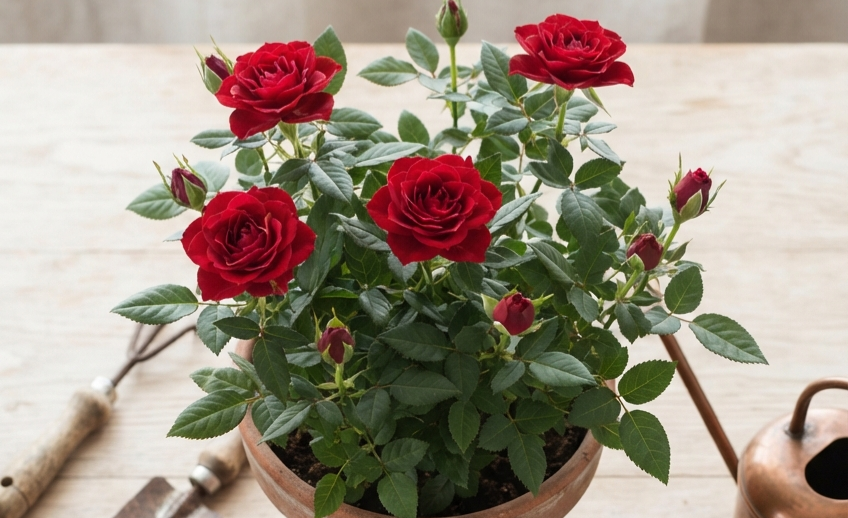
Few flowers command as much admiration as the rose. With its rich colors, layered petals, and timeless fragrance, it’s no surprise roses remain one of the most popular plants in gardens worldwide. But behind every stunning rosebush is consistent, informed care.
Whether you’re a first-time gardener or looking to improve the health of an existing rose bed, this guide covers everything you need to know about rose plant care — from planting to pruning, watering to winter protection.
1. Choosing the Right Rose Variety
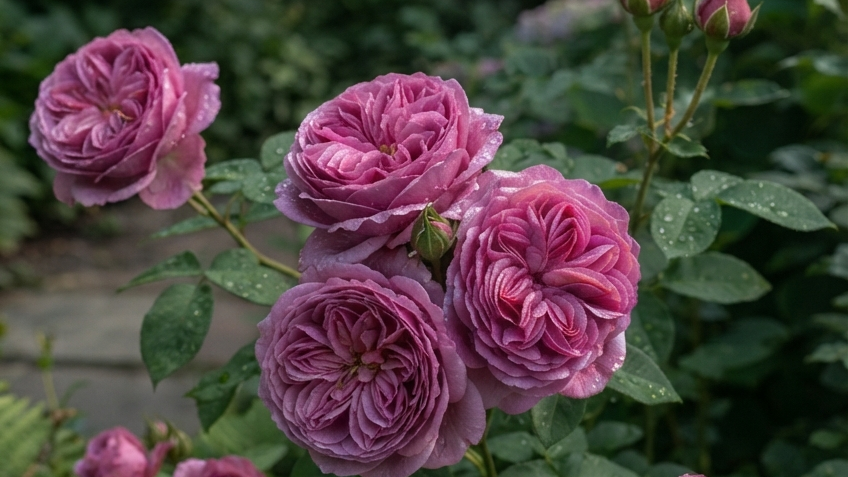
Before you even think about care routines, start with the right plant for your climate and space.
- Hybrid Tea Roses – Large, single blooms on long stems; ideal for cut flowers.
- Floribunda Roses – Clusters of blooms, hardy and low-maintenance.
- Climbing Roses – Great for trellises, arches, and fences.
- Shrub Roses (e.g., Knock Out) – Extremely disease-resistant and beginner-friendly.
- Miniature Roses – Perfect for containers and small gardens.
Choosing a variety suited to your USDA hardiness zone will save you significant maintenance effort down the line.
2. Sunlight Requirements
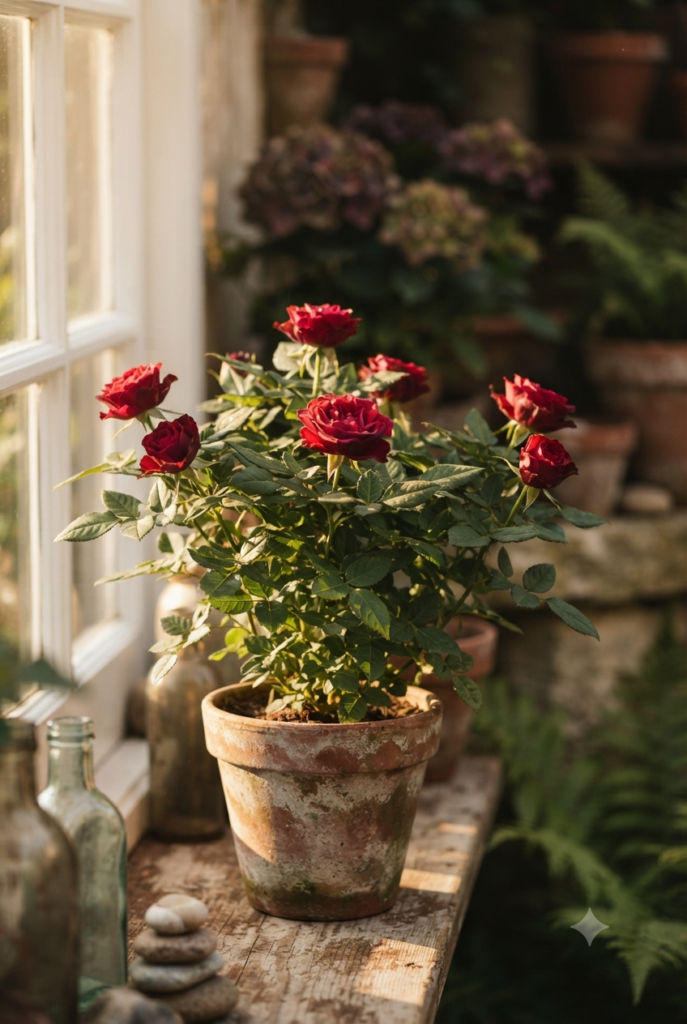
Roses are sun-loving plants. For strong stems and abundant blooms, they need:
- At least 6 hours of direct sunlight daily
- Morning sun is especially beneficial, as it dries dew quickly and reduces fungal disease risk
If your rose isn’t blooming well, insufficient sunlight is often the culprit.
3. Soil Preparation
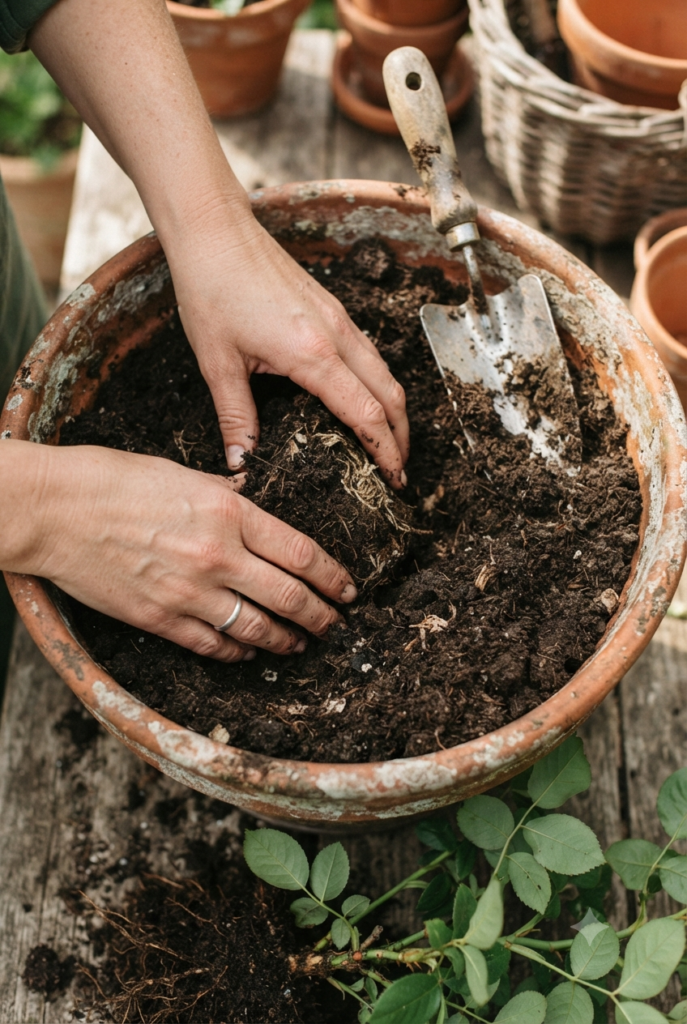
Roses thrive in well-draining, slightly acidic soil (pH 6.0–6.5).
Tips for ideal soil:
- Mix in compost or aged manure before planting
- Ensure good drainage — roses dislike waterlogged roots
- Avoid heavy clay soil unless amended with organic matter
4. Watering Guidelines
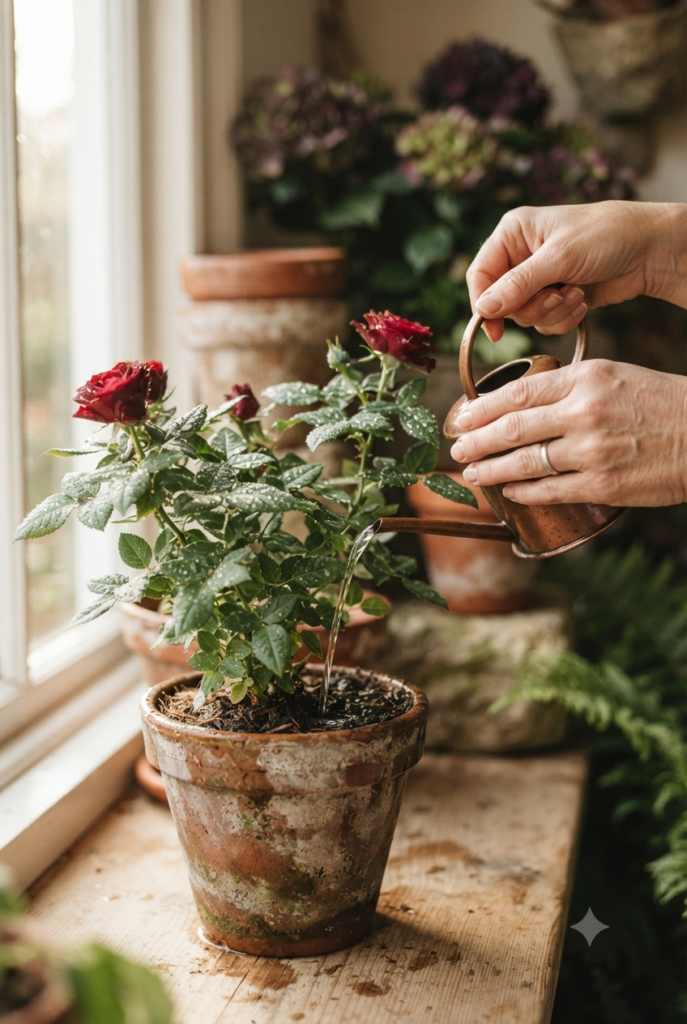
Proper watering is one of the most important aspects of rose plant care.
- Water deeply 2–3 times per week, rather than light daily watering
- Water at the base of the plant, not the leaves, to prevent fungal diseases like black spot
- Mulch around the base to retain moisture and regulate soil temperature
Pro tip: Roses generally need about 1–2 inches of water per week, more during hot summer months.
5. Fertilizing Roses
Roses are heavy feeders and benefit from regular fertilization during the growing season.
- Use a balanced rose fertilizer (e.g., NPK 10-10-10 or a rose-specific blend)
- Feed every 4–6 weeks from early spring through late summer
- Stop fertilizing about 6–8 weeks before the first frost to allow the plant to harden off for winter
6. Pruning for Healthy Growth
Pruning encourages new growth, better airflow, and more blooms.
- Prune in early spring, just as buds begin to swell
- Remove dead, damaged, or crossing branches
- Cut at a 45-degree angle, about ¼ inch above an outward-facing bud
- Deadhead spent blooms throughout the season to encourage repeat flowering
7. Pest and Disease Control
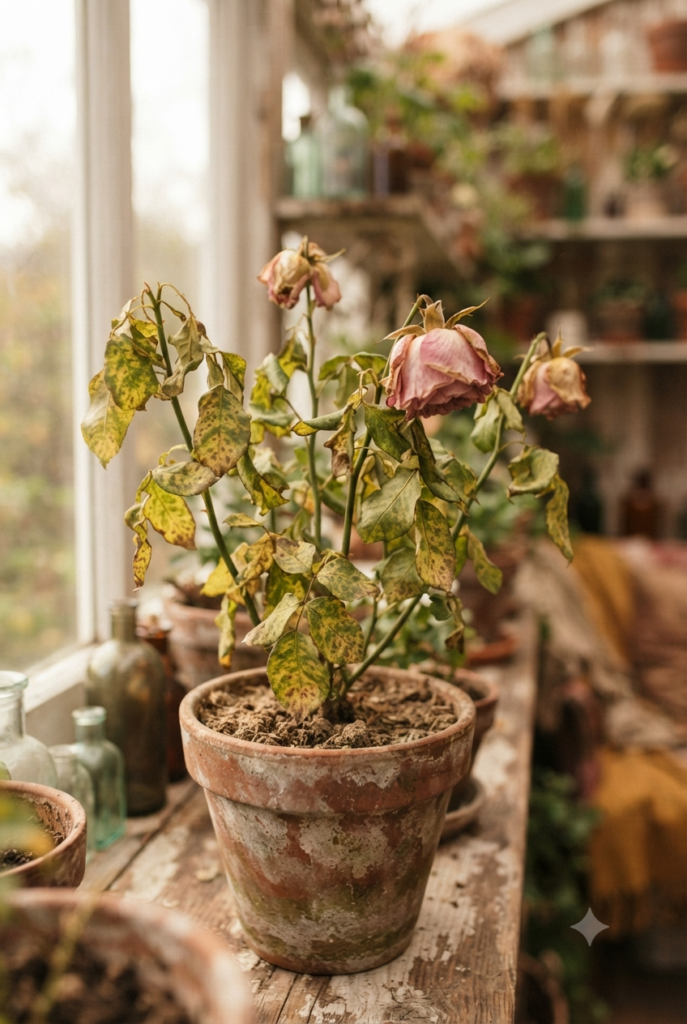
Common rose problems include:
| Issue | Symptoms | Solution |
|---|---|---|
| Aphids | Curled leaves, sticky residue | Neem oil or insecticidal soap |
| Black Spot | Black spots on leaves, yellowing | Fungicide, avoid overhead watering |
| Powdery Mildew | White powder on leaves | Improve airflow, apply fungicide |
| Japanese Beetles | Skeletonized leaves | Hand-pick or use targeted traps |
Regular inspection helps catch problems early before they spread.
8. Seasonal Rose Care Checklist
Spring: Prune, fertilize, mulch, and watch for new growth.
Summer: Water consistently, deadhead spent blooms, monitor for pests.
Fall: Reduce fertilizing, keep watering until the ground freezes.
Winter: Mulch heavily around the base; in cold climates, use rose cones or burlap wrapping for protection.
9. Common Mistakes to Avoid
- Overwatering or underwatering
- Planting in shaded areas
- Skipping pruning, leading to leggy, weak growth
- Ignoring early signs of pests or disease
- Using dull pruning tools that damage stems
Conclusion
Rose plant care doesn’t have to be complicated. With the right variety, adequate sunlight, proper watering, regular feeding, and seasonal pruning, your roses can thrive and reward you with vibrant blooms year after year. Consistency is key — a little attention each week goes a long way toward a garden full of healthy, beautiful roses.
Have questions about a specific rose variety or a problem you’re seeing in your garden? Drop a comment below and share your rose care journey!