
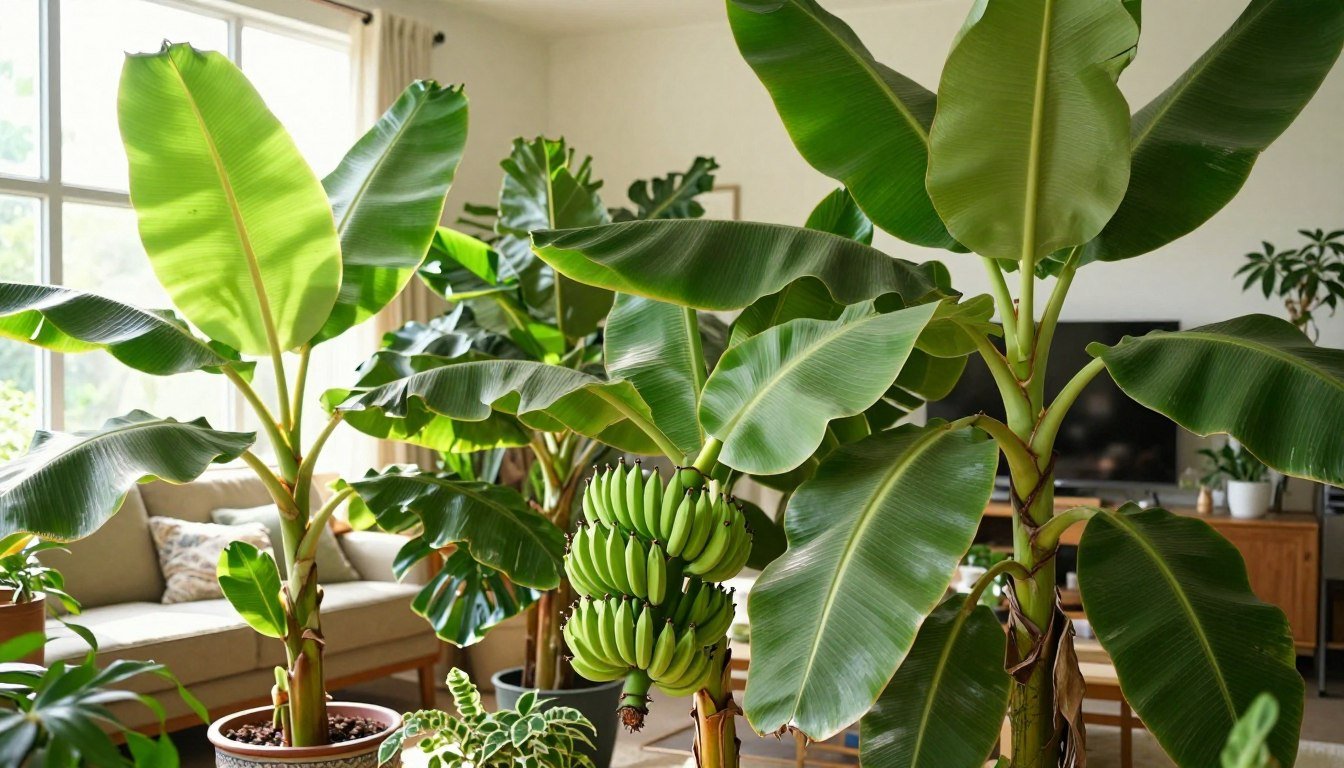
Have you ever walked into a room and felt an instant sense of calm wash over you? There is something truly magical about bringing the vibrant energy of the tropics into your own home. For many of us, a living space is more than just four walls; it is a sanctuary where we recharge our spirits.
Adding lush, green foliage can transform a dull corner into a refreshing escape. Many plant lovers now seek the Best Banana Trees to Grow Indoors to achieve this stunning aesthetic. These plants offer broad, sweeping leaves that create a bold statement in any modern apartment or house.
While these botanical beauties are native to warm, humid climates, you do not need a greenhouse to enjoy them. Modern horticulture has introduced specific cultivars that adapt beautifully to residential conditions. With the right light and a little patience, you can cultivate a thriving piece of paradise.
This guide will walk you through the essential steps for selection and maintenance. We will help you navigate the journey of keeping your new green companion healthy and vibrant all year long.
Understanding the Basics of Indoor Banana Cultivation
If you are interested in growing bananas indoors, you must first grasp the fundamental biology of these tropical giants. These plants are not traditional houseplants; they are vigorous, fast-growing perennials that crave specific conditions to thrive. Success with indoor banana tree care relies on mimicking their native tropical environment as closely as possible.
Why Banana Trees Make Excellent Houseplants
Banana trees offer a dramatic, architectural aesthetic that few other indoor plants can match. Their broad, lush leaves create an instant focal point, turning any corner of your home into a vibrant, green sanctuary. Many enthusiasts enjoy growing banana plants indoors because the rapid growth rate provides a sense of accomplishment and constant change.
Beyond their visual appeal, these plants are surprisingly resilient when provided with adequate light and moisture. They act as natural air purifiers, contributing to a healthier indoor atmosphere. Watching a new leaf unfurl is a rewarding experience that makes the effort of maintenance feel truly worthwhile.
Setting Realistic Expectations for Indoor Growth
While the prospect of harvesting fruit is exciting, it is important to maintain a balanced perspective. Indoor specimens often focus their energy on foliage production rather than fruit development. You should prioritize the health and beauty of the plant over the expectation of a harvest when growing bananas indoors.
Patience is the most essential tool in your gardening kit. Indoor banana tree care requires consistent monitoring of light levels and humidity to prevent stress. By focusing on these foundational needs, you ensure your plant remains a stunning feature of your home for years to come.
| Growth Factor | Indoor Environment | Outdoor Environment |
|---|---|---|
| Light Intensity | Supplemental/Bright | Full Sun |
| Growth Speed | Moderate | Rapid |
| Fruit Potential | Rare/Limited | High |
| Maintenance | High Attention | Low Attention |
Selecting the Best Banana Trees to Grow Indoors
Success with indoor gardening starts with selecting the Best Banana Trees to Grow Indoors that fit your specific space. Because these plants can grow quite large in their natural habitat, choosing a cultivar bred for container life is vital. By focusing on compact genetics, you ensure your plant remains healthy and manageable within your home.
Dwarf Cavendish: The Gold Standard for Containers
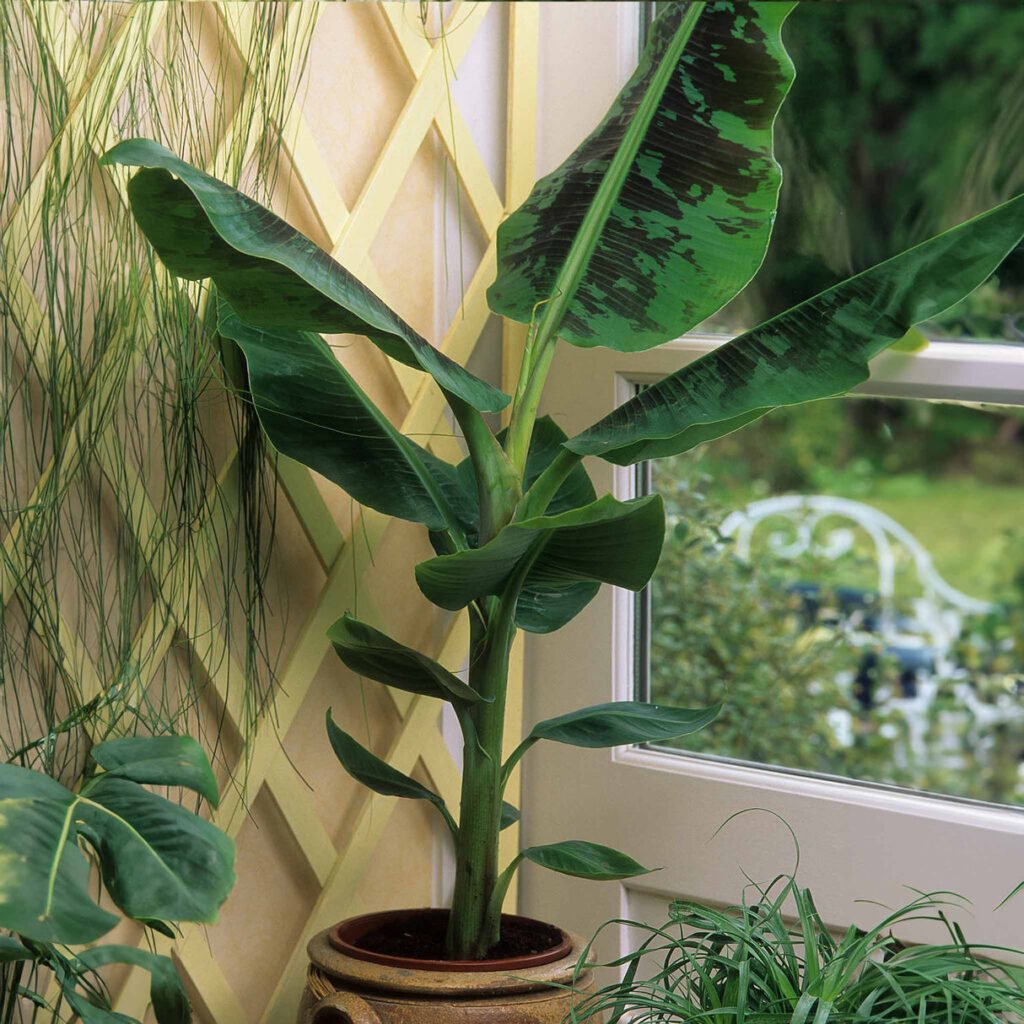
The Dwarf Cavendish is widely considered the best variety of banana tree for indoor growing. It typically reaches a height of four to six feet when kept in a pot, making it perfect for sunrooms or bright corners. This variety is highly prized because it can actually produce edible fruit if given enough light and proper care.
Super Dwarf Cavendish: Perfect for Small Spaces
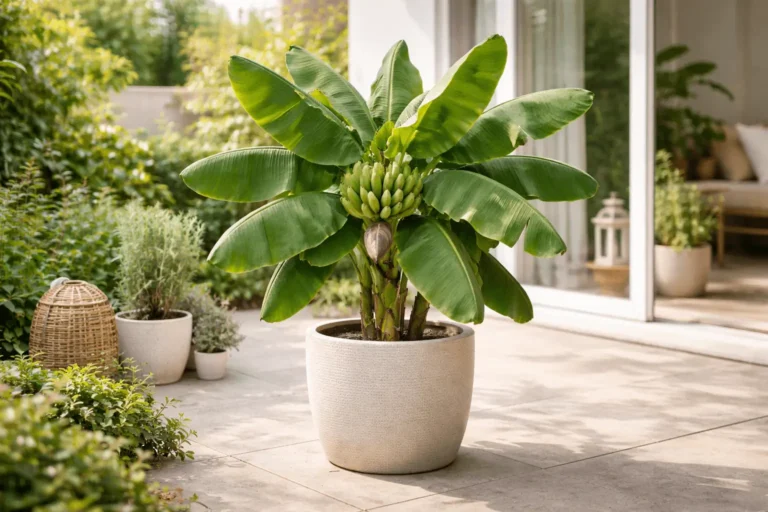
If you have limited floor space, the Super Dwarf Cavendish is an excellent alternative. This plant stays even shorter than its cousin, usually topping out at around three feet tall. It maintains the same lush, tropical foliage that makes these plants so popular while fitting easily on a sturdy plant stand or a wide windowsill.
Truly Tiny: The Most Compact Variety
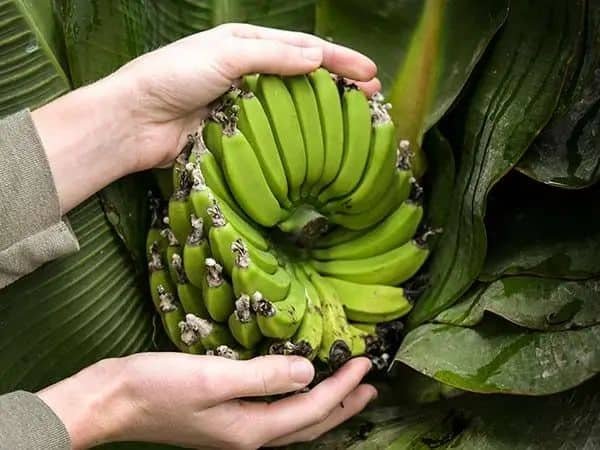
For those with very tight quarters, the Truly Tiny variety is the ultimate choice. It is the smallest of the bunch, often staying under two feet in height. Despite its diminutive size, it offers the same vibrant green leaves and tropical aesthetic as larger cultivars, making it one of the best indoor banana varieties for apartment living.
| Variety | Max Indoor Height | Best Use Case |
|---|---|---|
| Dwarf Cavendish | 6 Feet | Large Sunrooms |
| Super Dwarf Cavendish | 3 Feet | Living Room Corners |
| Truly Tiny | 2 Feet | Desks or Tables |
When evaluating these best indoor banana tree varieties, consider the following factors to make your final decision:
- Available Light: Ensure your chosen spot receives at least six hours of bright, indirect sunlight.
- Ceiling Height: Measure your space to account for the plant’s mature height plus the height of the pot.
- Maintenance Level: Smaller varieties often require more frequent watering due to their smaller root systems.
Preparing the Ideal Potting Environment
Establishing a healthy root system is the most critical step when growing bananas in containers indoors. Because these tropical plants require consistent moisture without becoming waterlogged, your setup must balance hydration with oxygen flow. A well-prepared environment prevents common issues like root rot and stunted growth.

Choosing the Right Container Size and Drainage
Selecting the correct pot is essential for long-term success. You should start with a container that provides enough room for the root ball while allowing for future growth. Always ensure your pot has multiple drainage holes at the bottom to allow excess water to escape freely.
If you choose a decorative pot without holes, use a plastic nursery liner inside it. This allows you to remove the plant for watering, ensuring that the roots never sit in standing water. Proper drainage is the primary defense against fungal infections in tropical foliage.
Formulating the Best Indoor Banana Tree Potting Soil
The quality of your indoor banana tree potting soil determines how well your plant absorbs nutrients. A heavy garden soil will compact too easily, suffocating the roots and preventing proper drainage. Instead, you should aim for a light, porous mix that mimics the rich, airy soil found in tropical environments.
Essential Components for Aeration and Moisture Retention
To create the perfect medium, combine organic matter with inorganic materials. Peat moss or coconut coir provides excellent moisture retention, while perlite or coarse sand ensures the soil remains loose and airy. Adding organic compost introduces vital nutrients that support vigorous leaf development.
| Component | Primary Function | Recommended Ratio |
|---|---|---|
| Peat Moss/Coir | Moisture Retention | 40% |
| Perlite | Aeration/Drainage | 30% |
| Organic Compost | Nutrient Supply | 20% |
| Coarse Sand | Structural Support | 10% |
By balancing these ingredients, you create an indoor banana tree potting soil that stays damp but never soggy. This structure is vital for growing bananas in containers indoors, as it allows the roots to breathe while accessing the water they need to thrive.
Mastering Indoor Banana Tree Lighting Requirements
Understanding banana tree indoor lighting requirements is the most vital step in ensuring your plant stays healthy and vibrant. Light acts as the primary fuel for tropical growth, and without enough of it, your tree will likely develop weak, leggy stems that struggle to support its large leaves.
By providing the right intensity and duration of light, you can successfully mimic the natural tropical environment these plants crave. Consistent exposure prevents common growth issues and keeps your foliage looking lush throughout the year.

Determining Natural Light Needs for Tropical Plants
Banana trees are sun-loving plants that require significant brightness to thrive. For the best results, position your container near a south-facing window where the plant can receive several hours of direct sunlight daily.
If your home lacks a south-facing exposure, an east-facing window can work, provided the plant receives bright, indirect light for the majority of the day. Always monitor your plant closely; if the leaves begin to stretch toward the glass or appear pale, it is a clear sign that your banana tree indoor lighting requirements are not being met by natural sources alone.
Using Supplemental Grow Lights for Year-Round Success
Many indoor gardeners find that natural light is insufficient, especially during the shorter days of winter. Utilizing full-spectrum LED grow lights is an excellent way to bridge this gap and maintain steady growth.
Place your grow lights about 12 to 18 inches above the canopy of the plant to maximize efficiency without causing heat stress. Running these lights for 10 to 12 hours a day will provide the consistent energy needed for your tree to remain vigorous. Investing in a simple timer can help you automate this process, ensuring your plant receives the exact amount of light it needs for year-round success.
Establishing a Proper Watering Routine
Consistent watering is the foundation of effective indoor banana tree care. These tropical plants possess large leaves that transpire moisture rapidly, yet they are highly sensitive to soggy, waterlogged soil conditions.
Finding the right balance requires observing your plant daily. You should aim to keep the soil consistently moist but never saturated, allowing the top inch of soil to dry out slightly between waterings.

Identifying Signs of Overwatering and Underwatering
Learning how to care for indoor banana plants involves recognizing the visual cues your plant provides. Overwatering often leads to yellowing leaves and soft, mushy stems, which can eventually cause root rot.
Conversely, underwatering manifests as crisp, brown edges on the foliage or leaves that droop significantly. Use the following table to help diagnose your plant’s hydration status quickly:
| Symptom | Likely Cause | Recommended Action |
|---|---|---|
| Yellowing lower leaves | Overwatering | Check drainage and reduce frequency |
| Crisp, brown leaf tips | Underwatering | Increase watering volume |
| Wilting despite moist soil | Root rot | Repot and trim damaged roots |
Managing Humidity Levels for Tropical Foliage
Because these plants originate from humid rainforests, they often struggle in the dry air of modern homes. Low humidity is a common challenge when learning how to care for indoor banana plants during the winter months.
You can boost ambient moisture by placing your pot on a tray filled with pebbles and water. Regular misting of the leaves also provides temporary relief, though a dedicated humidifier is more effective for long-term health.
Proper indoor banana tree care also means keeping your plant away from direct heating vents. Dry, forced air will dehydrate the foliage much faster than natural evaporation, so choose a location with stable, humid conditions.
Fertilizing Strategies for Healthy Growth
Mastering the art of fertilization is a key step in learning how to care for indoor banana tree specimens effectively. Because these tropical plants experience rapid growth cycles, they act as heavy feeders that demand consistent nutrient supplementation. Without a steady supply of essential minerals, your plant may struggle to produce its signature lush, vibrant foliage.
Selecting the Best Indoor Banana Plant Fertilizer
When shopping for an indoor banana plant fertilizer, look for a balanced NPK ratio, such as 10-10-10 or 20-20-20. These formulas provide an equal distribution of nitrogen for leaf development, phosphorus for root strength, and potassium for overall plant vigor. Consistency is vital, so choosing a high-quality, water-soluble liquid fertilizer often yields the best results for container-grown plants.
Avoid using heavy, slow-release granular fertilizers that might burn the roots in a confined pot. Instead, opt for a diluted liquid feed that allows for better control over nutrient absorption. Always follow the manufacturer’s instructions to prevent over-fertilization, which can lead to salt buildup in the soil.
Creating a Seasonal Feeding Schedule
Your feeding routine should mirror the natural growth patterns of the plant. During the active growing months of spring and summer, the tree requires frequent nourishment to support its fast-paced development. You should apply a balanced indoor banana plant fertilizer every two to four weeks during this period.
As the days grow shorter in autumn and winter, the plant enters a period of dormancy or slow growth. During this time, you must significantly reduce or completely stop fertilization to prevent stressing the root system. Understanding these seasonal shifts is a fundamental part of how to care for indoor banana tree health throughout the entire year.
Managing Temperature and Airflow
Temperature and airflow play a critical role in the health of your indoor banana tree. Because these plants originate from tropical regions, they are highly sensitive to sudden shifts in their environment. Following these tips for growing bananas indoors will help you create a stable, thriving space for your plant.

Maintaining Optimal Indoor Temperatures
To encourage steady growth, you should aim to keep your home environment between 65 and 80 degrees Fahrenheit. Consistent warmth mimics the natural climate where these plants flourish. If the temperature drops significantly below this range, the plant may enter a state of dormancy or experience stunted development.
Using a digital thermometer near your plant is one of the best indoor banana tree tips to ensure accuracy. By monitoring the daily fluctuations, you can make small adjustments to your heating or cooling systems. Maintaining this balance is essential for healthy, vibrant foliage.
Preventing Cold Drafts and Heat Stress
Environmental shock often occurs when plants are placed too close to exterior doors or drafty windows. During the winter months, cold air can cause leaves to curl or turn brown rapidly. Always ensure your banana tree is positioned away from direct paths of chilly air.
Conversely, avoid placing your plant directly in front of radiators, space heaters, or air conditioning vents. These sources create intense, dry heat that can dehydrate the leaves and cause severe stress. Proper airflow is beneficial, but it should be gentle and indirect to keep the plant happy.
| Condition | Ideal Range | Action Required |
|---|---|---|
| Daytime Temp | 70°F – 80°F | Maintain consistent warmth |
| Nighttime Temp | 65°F – 70°F | Avoid drops below 60°F |
| Airflow | Gentle/Indirect | Keep away from direct vents |
| Humidity | 50% – 60% | Use a humidifier if needed |
Addressing Common Indoor Banana Tree Pests
Maintaining a lush indoor garden requires vigilance against tiny intruders that thrive on tropical foliage. Even the healthiest plants can occasionally fall victim to infestations, making the identification of indoor banana tree pests a necessary skill for every gardener. By acting quickly and monitoring the undersides of leaves, you can keep your plants thriving and free from damage.

Identifying Spider Mites and Mealybugs
Spider mites are often the most difficult indoor banana tree pests to spot because of their microscopic size. You might notice fine, silky webbing between the leaf veins or a stippled, yellow appearance on the foliage. These pests thrive in dry, warm environments, so keeping an eye on the undersides of leaves is essential for early detection.
Mealybugs are much easier to identify due to their white, cottony appearance. They tend to cluster in the crevices where the leaf stems meet the main trunk. If you see a sticky substance known as honeydew on the leaves, it is a strong indicator that these sap-sucking insects are present.
Natural and Chemical Solutions for Pest Control
Once you have confirmed an infestation, you should take immediate action to protect your plant. For mild cases, natural remedies are often highly effective. Applying neem oil or a gentle insecticidal soap can disrupt the life cycle of these pests without harming the environment of your home.
If the infestation persists, you may need to consider more targeted chemical solutions. Always ensure that any product you choose is labeled as safe for indoor use on tropical plants. Consistent monitoring and proactive treatment are the best ways to ensure your banana tree remains a healthy, vibrant centerpiece in your living space.
Pruning and Maintenance Techniques
Pruning is a vital part of how to care for indoor banana tree specimens to keep them looking their best. When growing banana plants indoors, regular maintenance helps direct the plant’s energy toward new, healthy growth rather than sustaining dying tissue. A tidy plant not only looks better but also remains more vigorous throughout the year.
Removing Dead Leaves and Spent Foliage
Banana trees naturally shed their older, lower leaves as they produce new ones from the center. You should wait until a leaf is mostly brown and crispy before removing it to ensure the plant has finished withdrawing nutrients. Always use clean, sharp shears to make a clean cut about an inch away from the main pseudostem.
Avoid pulling or tearing the leaves by hand, as this can damage the delicate outer layers of the trunk. If you notice a leaf drooping prematurely, check for signs of pests or improper watering before deciding to prune it. Gentle maintenance prevents unnecessary stress and keeps your indoor garden looking professional.
Managing Suckers and Offsets for Plant Health
As your banana tree matures, it will likely produce small plantlets known as suckers or offsets at its base. These tiny shoots compete with the mother plant for water, light, and soil nutrients. Removing these offsets is essential if you want to maintain a single, strong, and productive main stem.
To remove a sucker, use a sterilized spade or knife to carefully separate it from the parent rhizome. You can either discard the offset or pot it up separately to start a new plant. By managing these additions, you ensure that your primary tree receives the resources it needs to thrive in a container environment.
Troubleshooting Common Growth Issues
Maintaining a healthy indoor banana tree requires a keen eye for subtle changes in foliage and growth patterns. Even experienced gardeners encounter hurdles, but learning how to care for indoor banana plants effectively helps you restore your plant’s vitality. By observing your tree daily, you can catch minor issues before they escalate into significant problems.
Diagnosing Yellowing Leaves and Brown Edges
Yellowing leaves often indicate that your plant is struggling with its current environment. If the lower leaves turn yellow, it may be a sign of overwatering or poor drainage. Conversely, brown, crispy edges usually point to low humidity or underwatering, which are common challenges in climate-controlled homes.
To address these issues, check the top two inches of soil before adding more water. If the soil feels soggy, allow it to dry out completely to prevent further stress. Increasing the ambient humidity with a pebble tray or a humidifier can also help prevent those unsightly brown tips from spreading.
Correcting Nutrient Deficiencies and Root Issues
Sometimes, yellowing is not related to water but to a lack of essential nutrients. If the leaves appear pale or show stunted growth, your plant might need a balanced fertilizer to thrive. Following consistent tips for growing bananas indoors ensures that your plant receives the nitrogen, phosphorus, and potassium it needs to produce lush, green foliage.
Root health is equally vital for long-term success. If you notice a foul smell or mushy roots during a routine check, you may be dealing with root rot. Promptly repotting the plant into fresh, well-draining soil and trimming away damaged roots can save your banana tree from permanent decline.
Repotting Your Banana Tree as It Matures
Watching your banana tree flourish is rewarding, but it also means you must prepare for its inevitable growth spurts. As the plant develops, it will eventually outgrow its current home, necessitating a move to a larger container. Successfully growing bananas in containers indoors requires this periodic maintenance to ensure the root system has enough space to support the plant’s impressive foliage.
When and How to Move to a Larger Container
You should look for specific signs that indicate your plant is becoming root-bound. Common indicators include roots circling the bottom of the pot, water draining too quickly, or noticeably stunted growth despite proper fertilization. If you notice these symptoms, it is time to upgrade to a container that is two to four inches wider in diameter.
To repot, gently turn the plant on its side and carefully slide it out of the old container. Be sure to handle the root ball with extreme care to avoid damaging the delicate fibers. Place the plant into the new pot filled with fresh, well-draining soil, ensuring it sits at the same depth as it did previously.
Minimizing Transplant Shock During the Process
Moving a plant can be stressful, but you can mitigate this by following a few simple steps. First, water your banana tree thoroughly a day before the move to keep the roots hydrated. After repotting, place the plant in a spot with indirect, bright light for a few days to help it adjust to its new environment.
Avoid fertilizing the plant for at least four weeks after the move to prevent root burn. By focusing on these gentle care techniques, you ensure that growing bananas in containers indoors remains a productive and enjoyable experience. Consistent monitoring will help your tree recover quickly and continue its upward climb toward maturity.
Conclusion
Bringing a touch of the tropics into your living space is a rewarding journey for any plant enthusiast. Growing bananas indoors requires a blend of patience and consistent care to mimic their natural habitat.
You now possess the essential knowledge to cultivate these lush plants successfully. By focusing on proper light exposure, balanced watering, and nutrient-rich soil, you create the perfect environment for your tree to flourish.
Applying these indoor banana tree tips will help you overcome common challenges with ease. Your commitment to monitoring humidity and temperature levels ensures your plant remains a vibrant centerpiece in your home.
Start your journey today by selecting the right variety for your space. Watching your plant grow from a small start into a striking feature provides immense satisfaction for any gardener.
Share your progress with fellow plant lovers to build a community of indoor gardeners. Your success proves that anyone can master the art of growing bananas indoors with the right approach.
